Amid a full-scale war and a profound transformation of state institutions, Ukraine faced the need to establish a comprehensive legal framework for the protection of statehood and to define the systemic status of its defenders. One of the key instruments for achieving this goal is the draft Code of Ukraine “On the Protection of Statehood, Independence, and the Status of Defenders of the State,” which has been the subject of extensive expert discussion.
An expert discussion on the draft Statehood Code, organized by the National Association of Lobbyists of Ukraine in Kyiv, brought together members of parliament, leading scholars, representatives of the security sector, the legal profession, veterans, and the academic community. The discussion highlighted both the strategic importance of codifying this area and the existence of conceptual, legal, and methodological issues that require in-depth refinement.
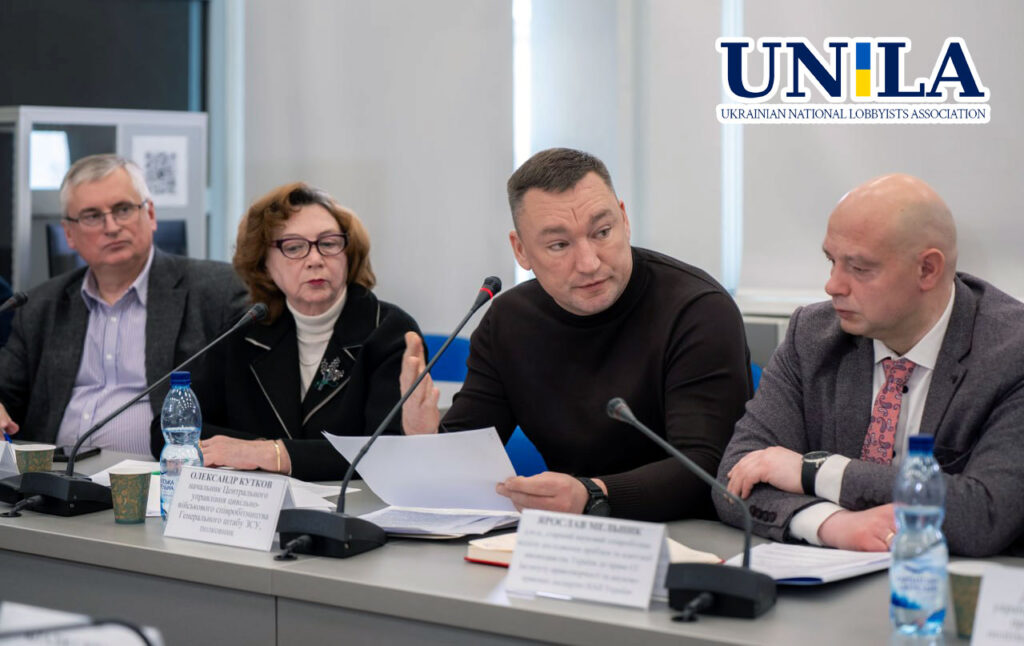
The event was moderated by Inna Silantyeva, who emphasized the importance of fostering a professional environment for discussing strategic legislative initiatives. Active participants in the discussion included Oleksiy Shevchuk, Chairman of the Board of the National Association of Lobbyists of Ukraine; Academician Vasyl Kostytskyi; Lyudmyla Kozhura, Doctor of Law; Oleksandr Chernykh, a member of the Association’s Board; Professor Serhiy Lysenko; and other representatives of the academic and expert community. Representatives of leading scientific and educational institutions also joined the discussion, including Vadym Hetman Kyiv National Economic University, Taras Shevchenko National University of Kyiv, the Interregional Academy of Personnel Management, the Institute of Lawmaking and Scientific-Legal Expertise of the National Academy of Sciences of Ukraine, as well as representatives of the Ministry of Defense of Ukraine and the General Staff of the Armed Forces of Ukraine.
Conceptual Contradictions and Questions Regarding the Feasibility of Codification
One of the key topics of discussion was the functional feasibility and conceptual completeness of the proposed Code. Taras Tarasenko, a Member of the Ukrainian Parliament, expressed a fundamentally critical stance toward the current draft of the document, emphasizing its limited practical effectiveness.
“At the level of law, the code does not answer the question of what changes for a specific person. So what is the point of working on it if it does not change anything for a specific person?” noted Taras Tarasenko.
He also drew attention to methodological shortcomings in the drafting process, noting that “they were simply combined mechanically. In fact, it was simply a combination of four different regulatory documents into one without any real analysis.” Such an approach, in his view, creates a risk of internal inconsistency in the provisions and diminishes the document’s systemic value.
Expert opinions from the academic community provided an additional argument in favor of the need for a substantial revision of the document. As the MP noted, “three universities issued negative opinions on the code,” which indicates the presence of deeper structural and conceptual problems.
At the same time, Oleksiy Shevchuk, Chairman of the Board of the National Association of Lobbyists of Ukraine, emphasized the strategic importance of the codification initiative itself.
Oleksiy Shevchuk emphasized: “A document has been introduced that directly affects the entire law enforcement system today, because within the law enforcement system, a large number of employees are integrated into the armed forces. In other words, a document has been introduced that directly and immediately affects the lives of citizens through the law enforcement system.”
According to him, the very idea of creating such a regulatory act is extremely important for establishing a systematic legal framework: “I believe this is a good initiative to consolidate all the regulations and finally adopt a document that is, to a certain extent, codified—one that can be consulted by both those currently serving in the Armed Forces and those who have completed their service and are now veterans.”
Shevchuk also emphasized the long-term significance of the document, noting:
“This is a fundamental document because post-war Ukraine will have a large number of people who have completed military service and who have served their country, and their opinions must be heard.” At the same time, he acknowledged that the code requires further refinement and that it is both specific and declarative.
Issues of Legal Drafting and Compliance with International Standards
The participants in the discussion paid particular attention to issues of legal drafting and the draft’s compliance with international standards. As Natalia Kaminska noted, among the document’s key shortcomings are “insufficient consideration of the experience of foreign states; furthermore, the existing case law of the European Court of Human Rights and the provisions of the European Convention on Human Rights have not been sufficiently taken into account.” She also drew attention to issues of terminological clarity and the need to adopt a gender-sensitive approach: “An optimal proposal was made that, in the introductory section, in the section on terminology, it should be stated that the code adopts a gender-sensitive approach to the terminology used in this draft legislative act.”
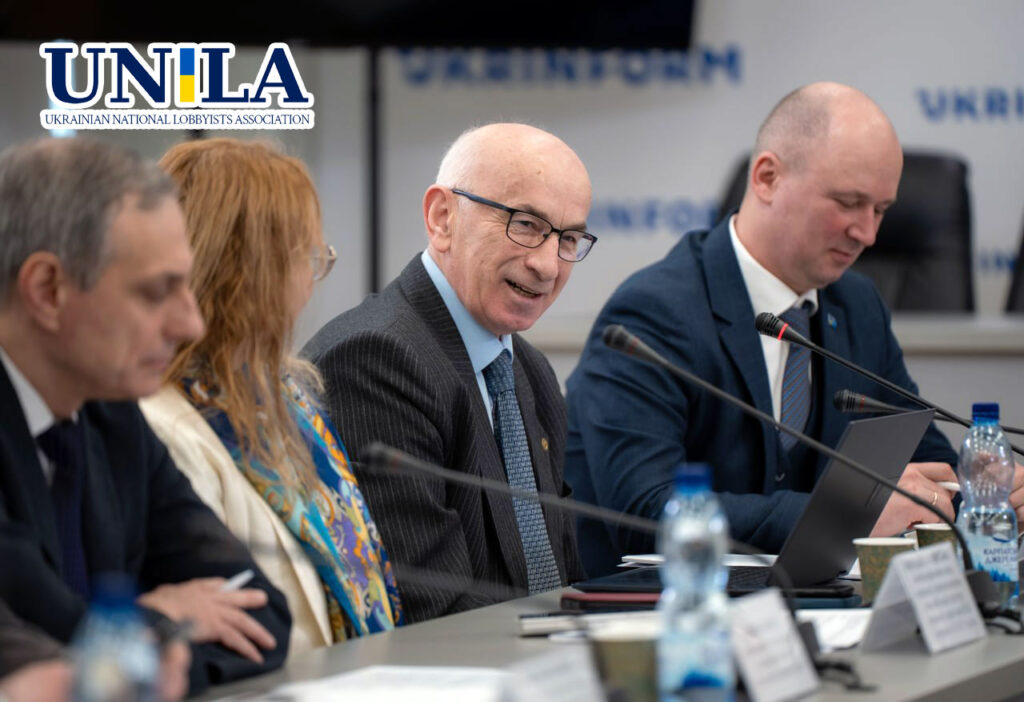
At the same time, Kaminska emphasized the strategic potential of codification, noting that “this is a very significant undertaking, but there is still much work to be done in this direction to ensure that the document is flawless and takes the form of a unified, conceptual act that is not temporary in nature but should have a lasting and effective impact.”
The Paternalistic Model and the Risks of Declaratory Legal Norms
Lyudmyla Kozhura, Ph.D. in Law, drew attention to the conceptual risks associated with the dominance of a compensatory logic in the draft document. In her assessment, “the draft, unfortunately, largely replicates a paternalistic model. Such an approach, she believes, is strategically risky, since “if we stick to an exclusively compensatory model, we risk a crisis of confidence in institutions.”
She also emphasized the draft’s failure to meet classical standards of codification: “The document does not meet the classical requirements for a codified act. Instead, we have a framework, programmatic document with a large number of declarative provisions. In fact, it is a concept of state policy, not a codification act.” Such an approach, she said, could lead to more complex legal regulation: “Instead of simplifying the legal framework, we will end up with the parallel existence of several sets of regulations, conflicts of law, and expanded subordinate legislation.”
Kozhura paid particular attention to the legal nature of declarative provisions, noting that “the document makes extensive use of moral categories—‘gratitude,’ ‘respectful treatment,’ and ‘a dignified life.’ If the criteria for a ‘decent life’ are not defined, standards are not established, and protection procedures are not provided for—then such provisions do not create a subjective right. And then we have not a legal mechanism, but a political declaration. And a declaration without a mechanism is a potential source of disappointment.”
Codification as a Strategic Necessity: Constitutional and Systemic Dimensions
Despite the critical assessments, Academician Vasyl Kostytskyi supported the very idea of codification, emphasizing its constitutional significance. “I cannot support those who oppose the proposal for codification. I support the need for codification and the drafting of the code,” he noted.
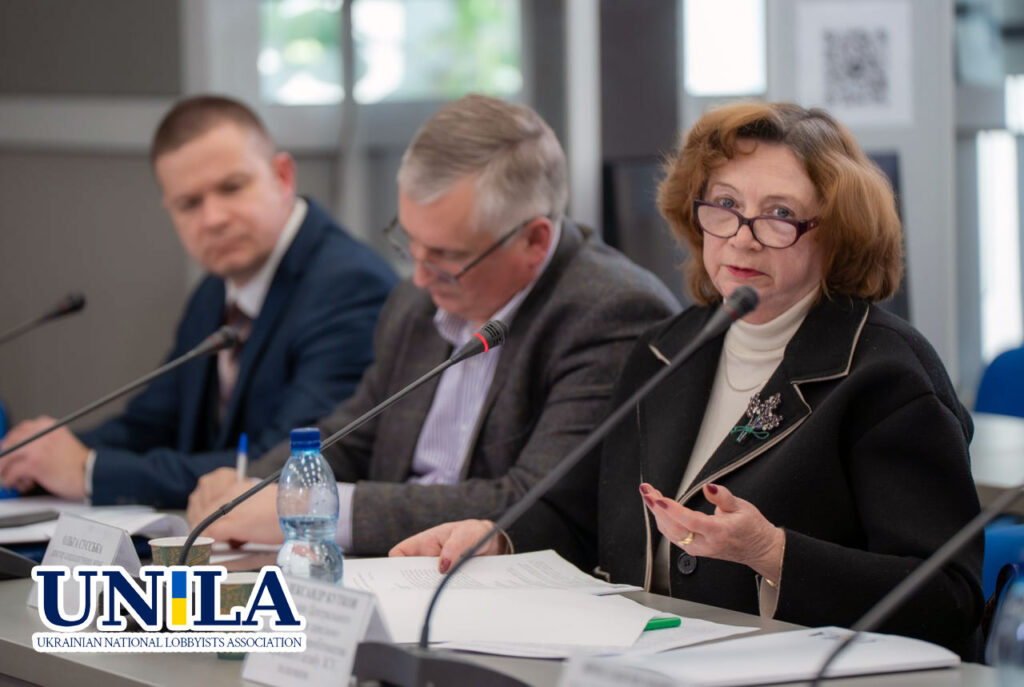
Kostytskyi also stressed that despite the presence of declarative elements, the document contains a significant number of specific provisions: “I cannot agree that this is a declarative document. It contains a great many absolutely specific provisions. But it needs further refinement.” He underscored the importance of a systematic approach to codification, which should include both the incorporation of existing provisions and the modernization of the legal framework.
The Social Function of the Code and Challenges in Practical Implementation
Considerable attention was devoted to the social function of the Code as an instrument for ensuring the rights and guarantees of the nation’s defenders. As Serhiy Kucherenko emphasized, an effective system of social protection is a key condition for maintaining the state’s combat readiness:
“If we do not provide social guarantees for the military’s feats, for the victory they are achieving today, then we cannot hope that the best of the best will remain in our Armed Forces.”
He also drew attention to the outdated nature of the current regulatory framework: “We currently have the Law of Ukraine on the Status of War Veterans and Guarantees of Their Social Protection—a law dating back to 1992. Many of its provisions are somewhat outdated.” According to him, the adoption of the Code will require a comprehensive modernization of the legislation: “We understand that if this Code is adopted in its current form, we will have to radically change the legislation on social protection for military personnel and their families.”
Conclusions and Prospects for Development
The expert discussion demonstrated that the draft Statehood Code is an important legislative initiative aimed at establishing a new model of legal regulation in the sphere of protecting statehood and providing social security for its defenders. At the same time, the current version of the document requires substantial conceptual, structural, and legal-technical revisions.
The discussion revealed two complementary positions: on the one hand, a critical awareness of the shortcomings of the current version; and on the other, a strategic understanding of the need to create a codified regulatory act as the foundation for the legal regulation of post-war society.
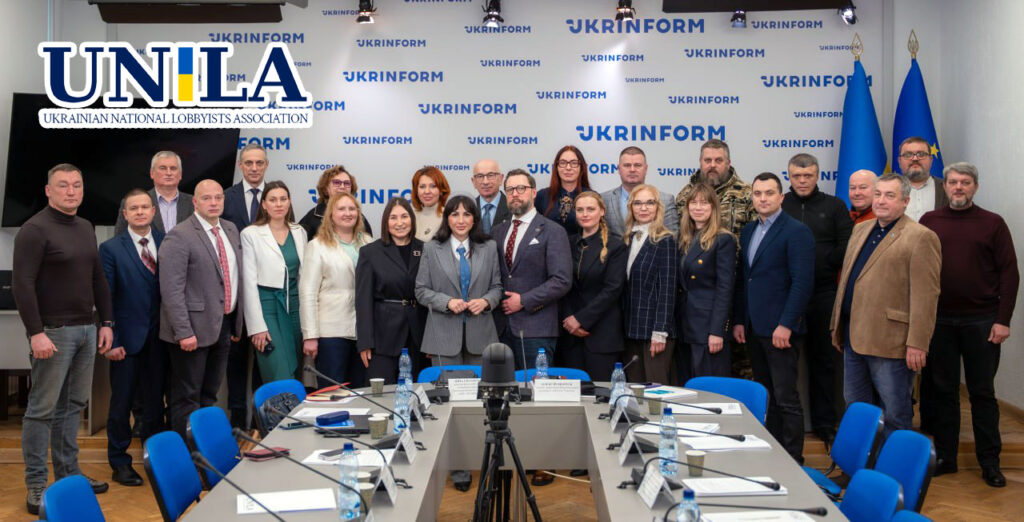
As Oleksiy Shevchuk emphasized: “A document regulating post-war society should serve as a transitional stage for our country, and its drafting must take into account the positions of all stakeholders.”
Thus, further work on the Code must be based on a broad expert dialogue, an interdisciplinary approach, and consideration of the practical needs of both the state and its defenders. Only under such conditions can the codification of this area become an effective tool for strengthening statehood, increasing trust in state institutions, and establishing a stable legal system in post-war Ukraine.
For more details: ukrinform.ua
Author: Barristers
Source: National Association of Lobbyists of Ukraine