On January 16, 2026, a landmark public discussion organized by the National Association of Lobbyists of Ukraine took place at the Ukrinform news agency, dedicated to developing a roadmap for changes to election legislation in the postwar period.
Recognizing its great responsibility to civil society, the National Association of Lobbyists of Ukraine launched a series of open roundtable discussions that brought together a proactive community of: Members of Parliament, leading political scientists, sociologists, economists, academics, and lawyers.
The main outcome of the meeting was an identification of pressing issues and challenges in the electoral process, as well as the development of the “Voter Safety Manifesto”—a declaration comprising 10 key principles designed to ensure that democratic, transparent, and legitimate elections can only be held if the safety of lives, voting data, and election results are guaranteed.
Oleksiy Shevchuk, Chairman of the Board of the National Association of Lobbyists of Ukraine, emphasized that security is not an alternative to democracy but rather a prerequisite for it; therefore, preparing systematic amendments to legislation will be the organization’s top priority for the coming quarter.
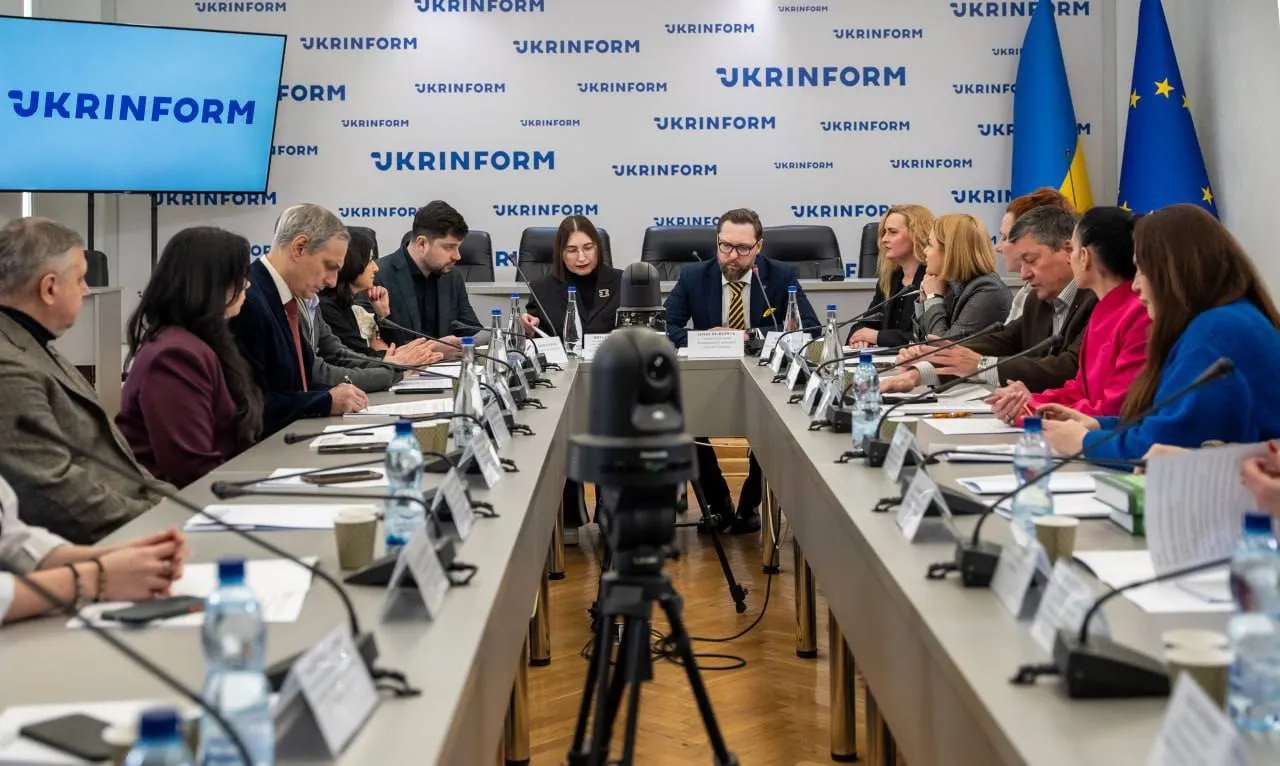
Direct participants in the hostilities joined the discussion and the further development of mechanisms to restore the electoral process: Oleg Petrenko, Head of the Third Army Corps Headquarters Fund, and Mykola Minyo, a defender of Donetsk Airport (a “cyborg” of the Donetsk Airport) and Chairman of the All-Ukrainian Union of Combatants in the ATO “Pobratymy Ukrainy”; local council members: Hanna Svyrydenko—Kyiv City Council member, Candidate of Legal Sciences; scholars: Olga Susska—Doctor of Sociological Sciences, professor, Oleksiy Buryachenko—Professor at the Kyiv Aviation Institute, President of the “International Institute for Security Studies”; Serhiy Petkov—Doctor of Law, Professor, Lieutenant Colonel; Yana Tsymbalenko—Associate Professor in the Department of Theory and Practice of Management at the Igor Sikorsky Kyiv Polytechnic Institute, Candidate of Sciences in Public Administration; Oleg Martseliak—Doctor of Law, Professor, Research Fellow at the V. M. Koretsky Institute of State and Law; Natalia Pavlovska—Doctor of Law, Associate Professor, attorney, mediator; Serhiy Godnyi—Candidate of Political Sciences; Valentin Gladkikh—Candidate of Philosophical Sciences; Denis Silantyev—Candidate of Pedagogical Sciences, Member of Parliament of the 8th Convocation; political scientists, sociologists, and lawyers: Ilona Kaminska—Candidate of Legal Sciences, attorney, Vitaliy Bala—political strategist, political consultant, director of the Agency for Situation Modeling; Natalia Lysnevskaya—attorney, specialist in medical law; Oleksandr Oliinyk—attorney; Iryna Shapovalova – Member of the Board of the National Association of Lobbyists of Ukraine, attorney, Svitlana Kushnir – political analyst, economic columnist, expert in strategic communications and information security, Olga Tanyushkina—Member of the Board of the Diplomatic Legal Hub; Denis Bogush—Ukrainian political strategist; and Denis Svyatokum—Chairman of the Board of the Ukrainian Dual-Use Technologies Cluster and member of the Board of the Federation of Ukrainian Regional Unions.
Participants in the discussion included Members of the Ukrainian Parliament Nelly Yakovleva, Oleksandr Kachura, and Oleksandr Fedienko
Among the key points of People’s Deputy Oleksandr Kachura’s remarks: “We listened to the experts (referring to an online meeting of the working group tasked with drafting legislative proposals regarding elections during exceptional or post-war periods, chaired by First Deputy Speaker of the Verkhovna Rada Oleksandr Korniienko) on the constitutions of many countries, and they all strongly criticized the idea of holding elections during martial law. There was a proposal to simply remove the issue of elections during a special period—including during martial law and so on—from the agenda altogether. Because I am convinced that we should be discussing post-war elections.”
People’s Deputy Nelly Yakovleva noted that there is currently no set timeline for future elections. She also emphasized that security will remain the greatest challenge, particularly during voting abroad and the participation of military personnel.
“Even if we’re talking about signing a security agreement, our victory, or the circumstances that will allow us to conduct the electoral process, the issue of security will remain key in any case. There is an ongoing discussion about whether voting will take place on a single day or whether we can afford to organize the elections over the course of several days. After all, we all understand that air raid alerts will not cease even if a security or peace treaty is signed or a ceasefire is implemented,” she said.
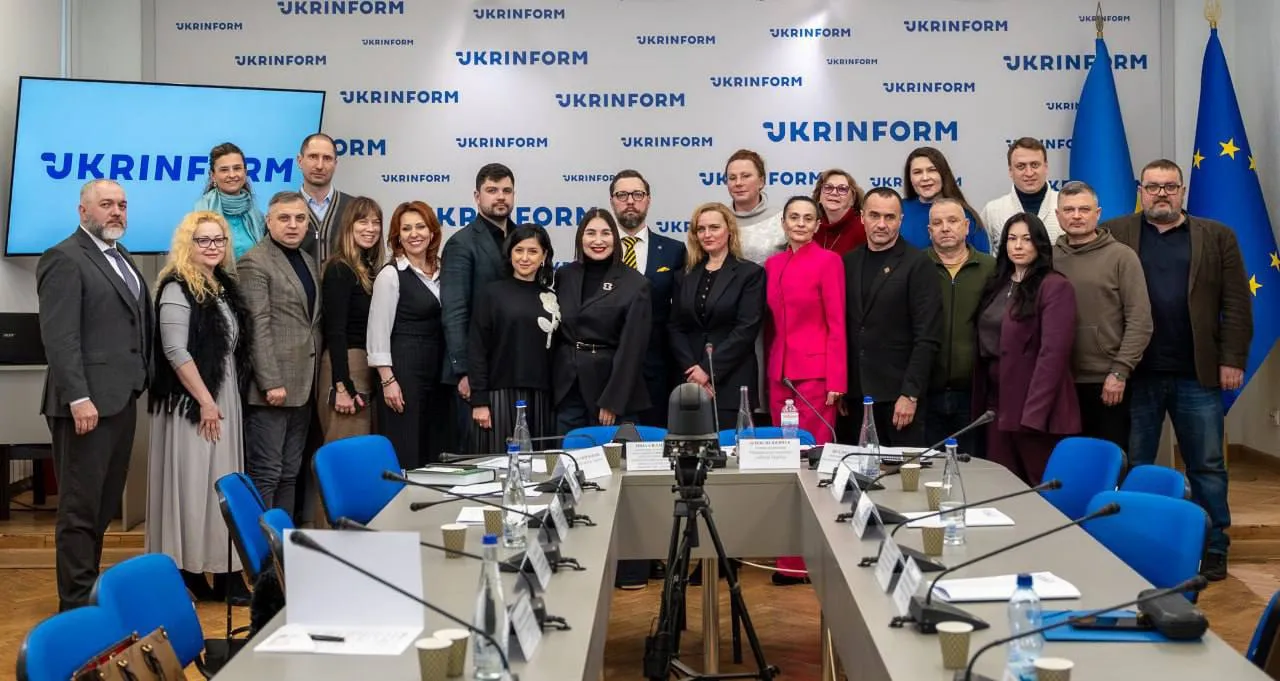
People’s Deputy Oleksandr Fedienko noted: “I can only speak for myself right now. My position is based on the fact that any elections under the current circumstances simply cannot take place. It is simply impossible to hold them—neither technologically nor physically.”
The association plans to hold expert meetings on a regular basis to develop constructive recommendations for parliament, taking into account the views of experts and civil society, and developing security recommendations designed to ensure that democratic, transparent, and legitimate elections can be held only if the safety of lives, data, and voting results is guaranteed.
Author: Barristers
Source: You are news