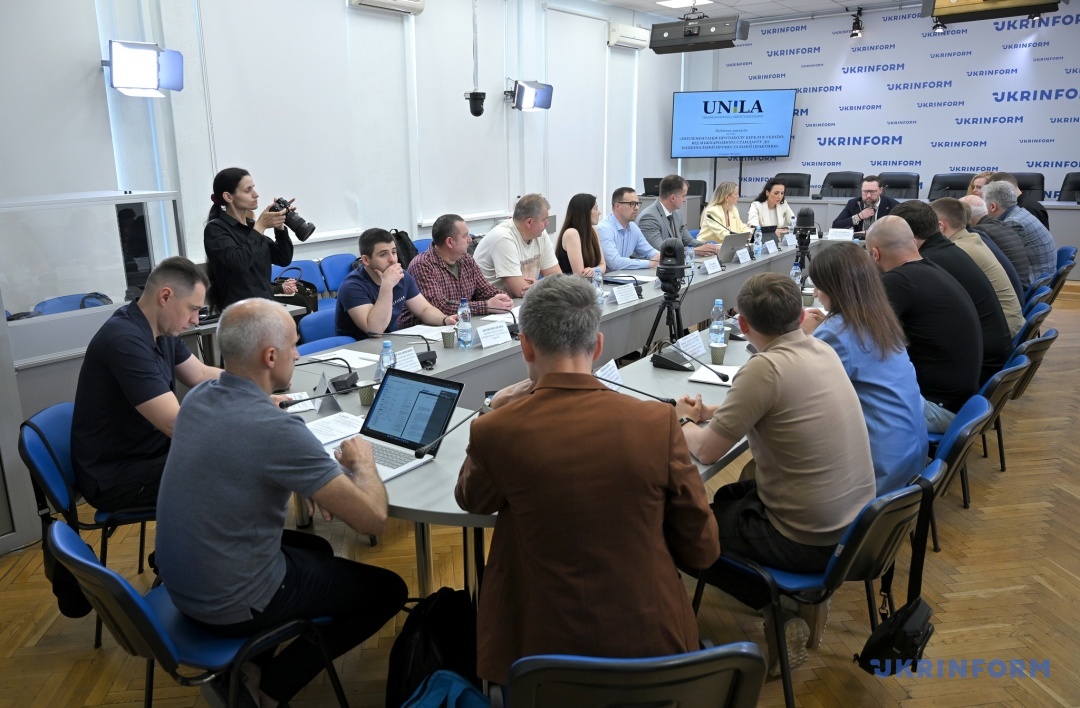
This was emphasized by Oleksiy Shevchuk, chairman of the board of the National Association of Lobbyists of Ukraine, during a discussion at Ukrinform on the topic “Implementation of the Berkeley Protocol in Ukraine: From International Standard to National Procedural Practice.”
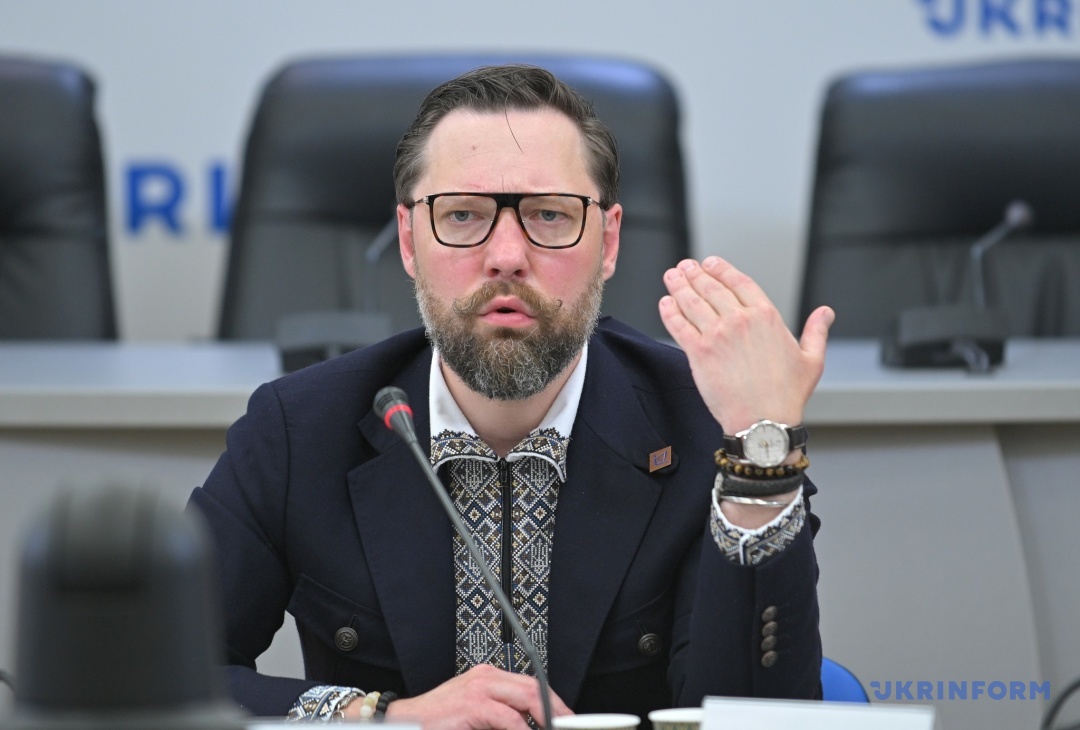
“The Berkeley Protocol is the gold standard for documenting and recording all war crimes. But everything is constantly evolving and changing, and the Berkeley Protocol likely needs to be revised, given the circumstances Ukraine is facing today,” Shevchuk noted.
Vasyl Kostytskyi, Doctor of Law, professor, Honored Lawyer of Ukraine, and academician of the National Academy of Legal Sciences of Ukraine, also emphasized the need to amend the Berkeley Protocol and draft a bill for its implementation.
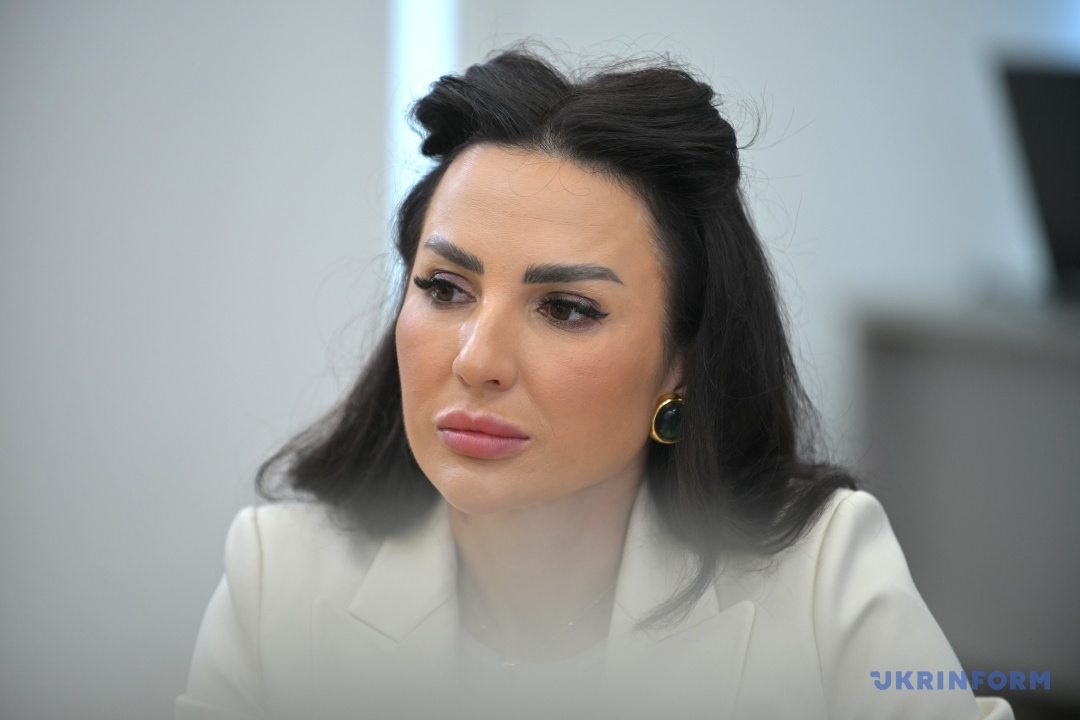
Lyudmyla Kozhura, Doctor of Law, professor, and director of the Law Institute at the Vadym Hetman Kyiv National Economic University, explained that the Berkeley Protocol on investigations using digital open sources is an international standard of best practices developed under the auspices of the Office of the UN High Commissioner for Human Rights in collaboration with experts from the University of California, Berkeley.
“Its goal is to establish professional standards for the collection, verification, preservation, and use of digital information from open sources to document human rights violations, international crimes, and for potential use in court. In other words, it is an attempt to transform chaotic digital content into legally reliable evidence,” she noted.
According to her, modern wars leave behind not only physical destruction but also a digital trail. Kozhura cited the investigation into the crash of the Malaysian Boeing in Donbas as an example, which “showed that open digital sources can help reconstruct an international crime: geolocation, photos, video analysis, and timestamps.” This case was a turning point because, for the first time, the world saw that open sources are not just information noise but a potentially powerful source of evidence, noted the Doctor of Law.
According to her, the Syrian conflict was also illustrative, as international investigators often simply lacked the physical ability to reach the scene of events, and state archives had been destroyed or were inaccessible. “And it was then that open digital sources became not just a supplementary, but in some cases the only way to document international crimes,” said Kozhura.
At the same time, she added, the issue of trust in digital evidence arose. “Because digital material is not automatically the truth. It can be edited, spliced, taken out of context, disguised as being from a different date, or created using deepfakes,” noted the Doctor of Law.
The international community needed a single standard. The Berkeley Protocol has effectively done for digital evidence what classical forensic science once did for physical evidence—it created a language of trust, noted the director of the Law Institute.
“Because if a crime is documented but cannot be legally used, that is a loss of justice… If the law does not adapt to digital reality, digital reality will begin to exist without the law,” she is convinced.
Kozhura emphasized that the war in Ukraine has become one of the most documented wars of our time—referring to Bucha, Irpin, Mariupol, Izyum, the deportation of children, attacks on civilian infrastructure, and crimes against prisoners of war. A vast majority of the primary information about these crimes exists precisely in digital format. The International Criminal Court is already actively working with digital evidence, and the United States and the United Kingdom are integrating Open Source Evidence (facts or evidence found in the public domain) into criminal proceedings.
“The world is no longer debating whether digital materials can serve as evidence. The world is debating the standards for their admissibility. And here, Ukraine should not be playing catch-up but rather shaping best practices,” Kozhura believes.Senior Investigator for High-Priority Cases in Division 1 (Documentation of Crimes of Aggression) of the Department for Documenting Crimes Committed in the Context of Armed Conflict, of the Main Investigation Department of the National Police of Ukraine, said that police officers are effectively applying the Berkeley Protocol in their work. “We download the video and check whether there has been any tampering with the photographs. But we consider it as part of a comprehensive process; that is, we are still working with the victims,” he noted.
Roman Lytvyn, Deputy Head of the Department for the Prevention, Detection, and Suppression of Offenses at the Main Directorate of the Military Law Enforcement Service of the Armed Forces of Ukraine, announced the development of two draft orders by the Ministry of Defense — regarding official inspections and internal investigations, which already incorporate certain principles from the Berkeley Protocol.
“Currently, the Military Law Enforcement Service is also working with OSINT materials, and we are verifying various pieces of information we receive through OSINT capabilities,” he noted.
At the same time, according to Lytvyn, the Military Law Enforcement Service is a military law enforcement unit without its own investigative bodies or investigators; therefore, it must transfer all materials received to other law enforcement agencies, depending on jurisdiction. “And today, there are issues regarding the transfer of this material, the preservation of its confidentiality, the lack of interagency protocols for cooperation on the transfer of this material, and digital security procedures for transferring this material,” said the MSLA representative.
He emphasized that the implementation of the Berkeley Protocol is a matter of great importance for the Military Law Enforcement Service.Author: Barristers
Source: Ukrinform